At the Netherlands Pavilion during MWC Barcelona 2026, Teasol argued that network sharing remains underused despite clear economic benefits, with operational complexity and limited coordination between service providers continuing to slow broader adoption.
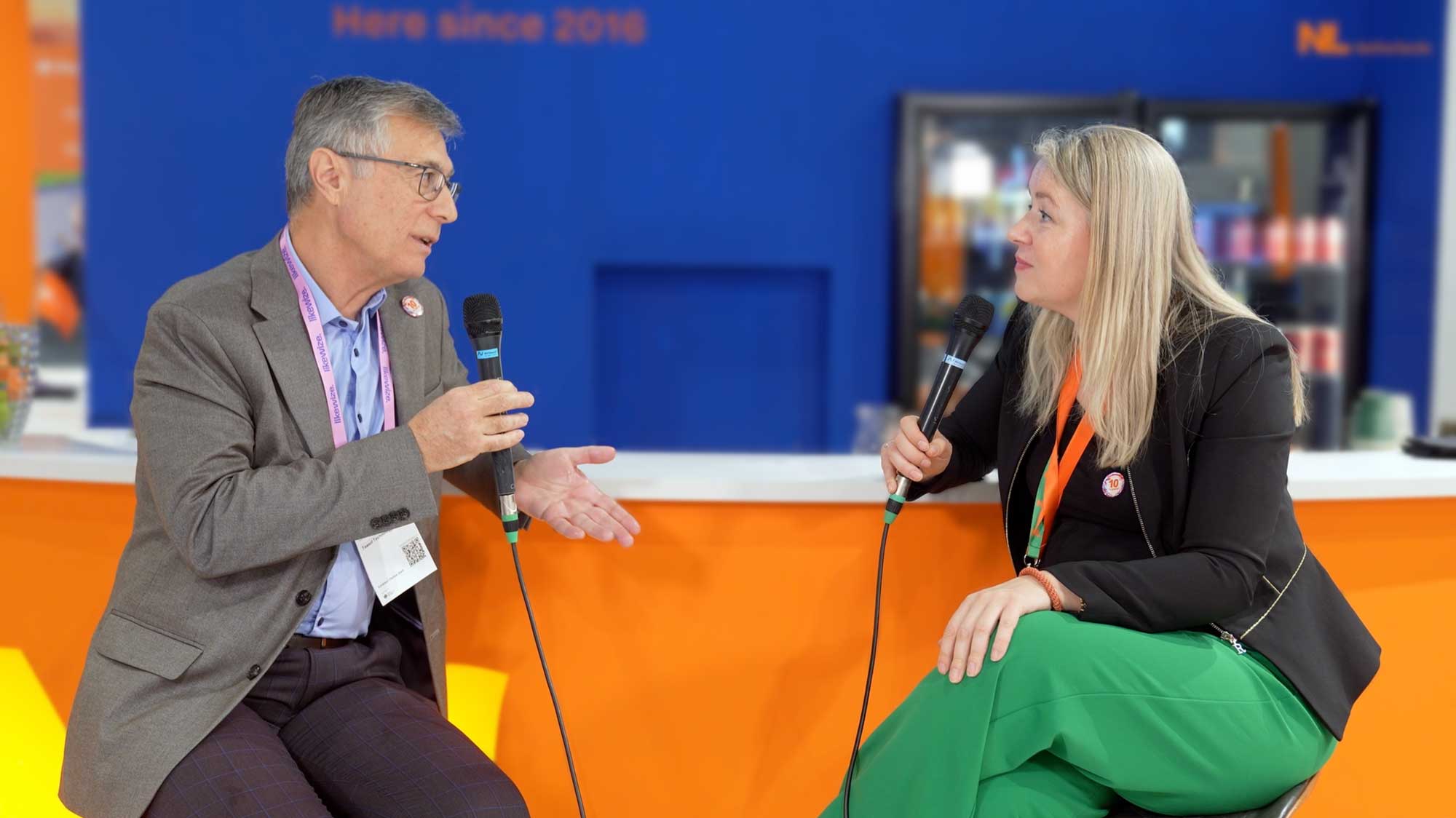
Speaking during an NL Talks session moderated by Anke Kuipers, Director at Ecosystem Services, Oguz Oktay, founder and CEO of Teasol, said the technical foundations for network sharing are already in place, but market uptake has remained limited beyond a number of targeted deployments, including rural use cases.
Collaboration remains the main barrier
According to Oktay, network sharing in practice means sharing mobile infrastructure, particularly base stations, in order to improve utilisation and reduce deployment costs.
While standards and implementation models already exist, he said the main barrier is not technology but the lack of effective collaboration between operators.
He argued that current arrangements are often handled through manual contracts and case-specific agreements, making them difficult to scale across different operators, MVNOs, neutral hosts and private networks.
Automation seen as missing layer
Teasol’s view is that the sector lacks an overarching orchestration and automation layer capable of working across service providers.
Oktay said operators today typically use automation to optimize their own internal networks, but not to coordinate infrastructure usage across multiple parties.
An umbrella orchestrator, he said, could connect with operators’ OSS/BSS and service management environments, gather network data and identify where capacity is underused or where demand is rising.
That would make it possible to match available infrastructure with service demand more dynamically.
From static agreements to dynamic sharing
The proposed model would move network sharing away from static, manually negotiated arrangements towards a more structured and repeatable framework.
Teasol said such a platform could support not only capacity matching, but also SLA monitoring and trust between participating providers.
Oktay argued that a neutral orchestration layer would allow operators to rely on shared contracts and shared performance monitoring, helping to reduce friction in collaboration.
Changing market dynamics support sharing
According to Oktay, operator attitudes towards network sharing may now be shifting because network quality is becoming less of a differentiator.
He said that in earlier years, operators competed primarily on network reach and performance, but that those differences have narrowed over time.
As a result, he sees more room for operators to focus on services and applications rather than treating network infrastructure itself as the main point of competition.
In that context, broader infrastructure sharing becomes more commercially viable.
Potential use cases beyond traditional mobile
The discussion also pointed to wider applications for dynamic network sharing, including use in more challenging connectivity environments and public-safety scenarios.
Oktay said the same model could support rapid allocation of dedicated capacity or slices in response to incidents or emergency situations, where connectivity needs shift quickly.
This would extend the relevance of network sharing beyond commercial optimisation to more flexible and situational forms of connectivity delivery.
Teasol positions itself as neutral marketplace layer
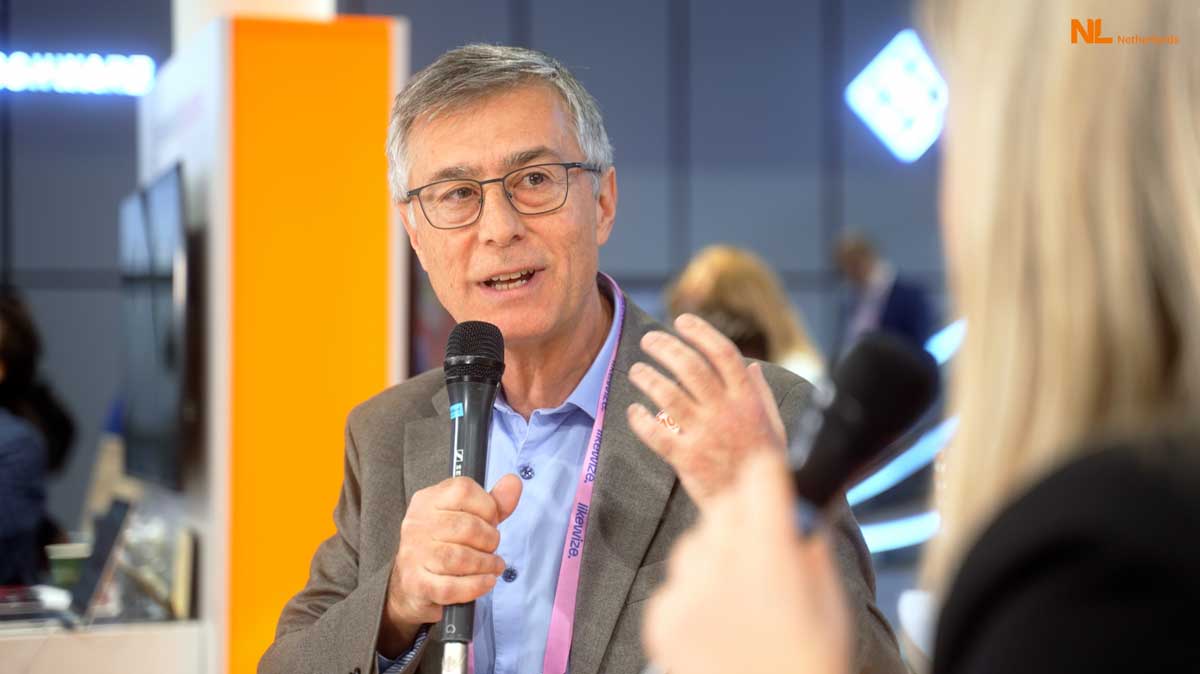
Teasol, which was launched only recently, is developing what it describes as an orchestrator and marketplace for unused or underutilised network infrastructure.
The platform is intended to connect mobile operators with other parties such as MVNOs, neutral hosts and private network providers, allowing capacity to be shared more dynamically according to actual demand.
Oktay said the business case for network monetisation already exists in traditional wholesale and MVNO models, but that Teasol aims to automate and make those arrangements more flexible.
Early market response at MWC
Teasol said its first participation at the Netherlands Pavilion had generated strong interest, particularly given the company’s early stage and the recency of its launch.
According to Oktay, discussions at MWC focused on potential collaboration with customers, partners and especially European service providers.
The company has already signed up to return next year, as it looks to build further momentum around its approach to neutral and automated network sharing.