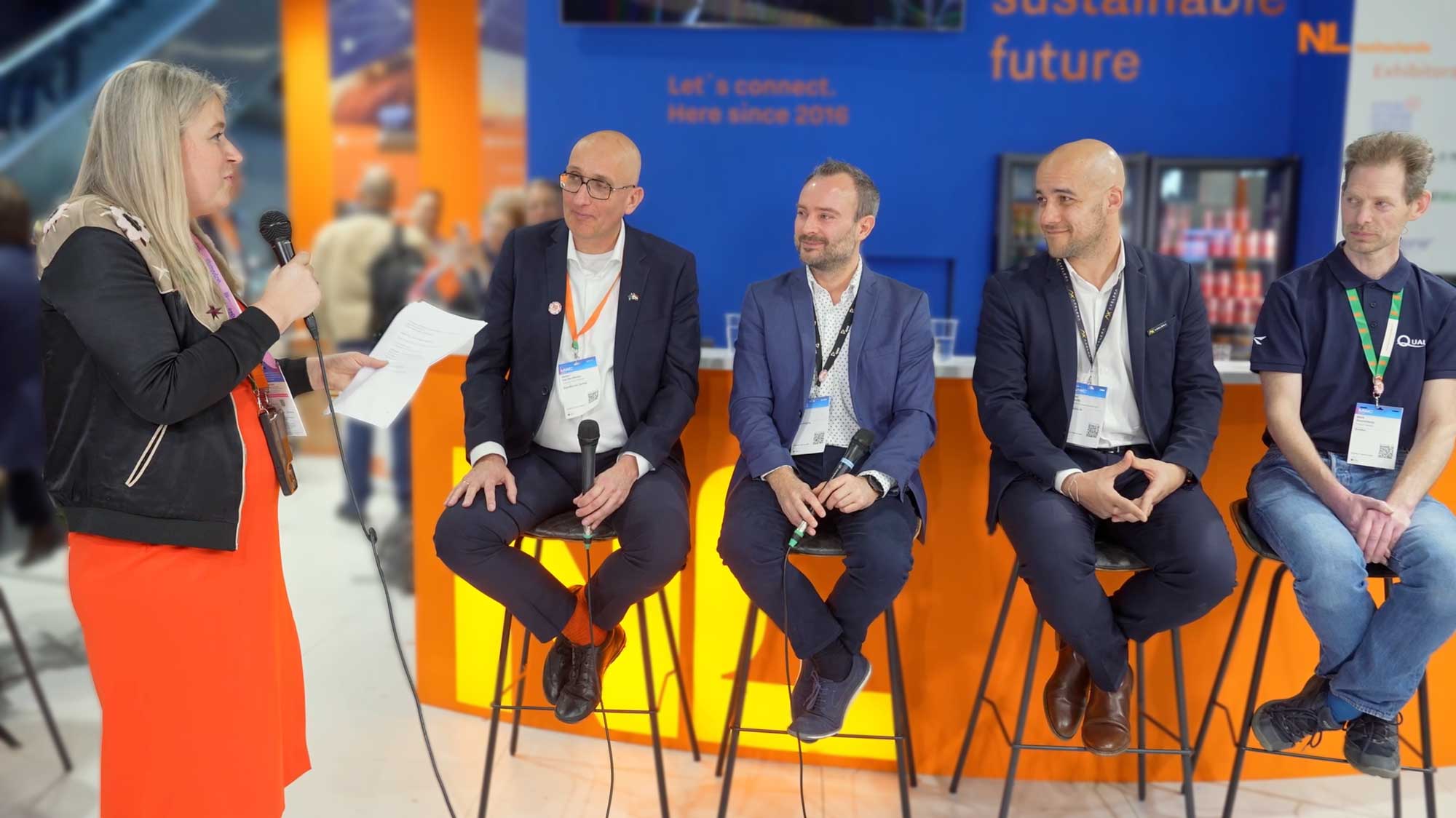
At the Netherlands Pavilion during MWC Barcelona 2026, leading semiconductor innovators explored a pressing challenge for Europe: how to turn world-class deep tech innovation into global market leadership.
In the panel “From European IP to Global Impact: Building a Competitive Deep Tech Stack”, Moderated by Anke Kuipers from Ecosystem Services, industry experts from across the semiconductor value chain shared practical insights on scaling, funding and strengthening Europe’s position in the global tech landscape.
Europe has the technology, so why not the scale?
Europe is home to cutting-edge innovation across the deep tech stack, from AI chips to image sensors, timing solutions and positioning technologies.
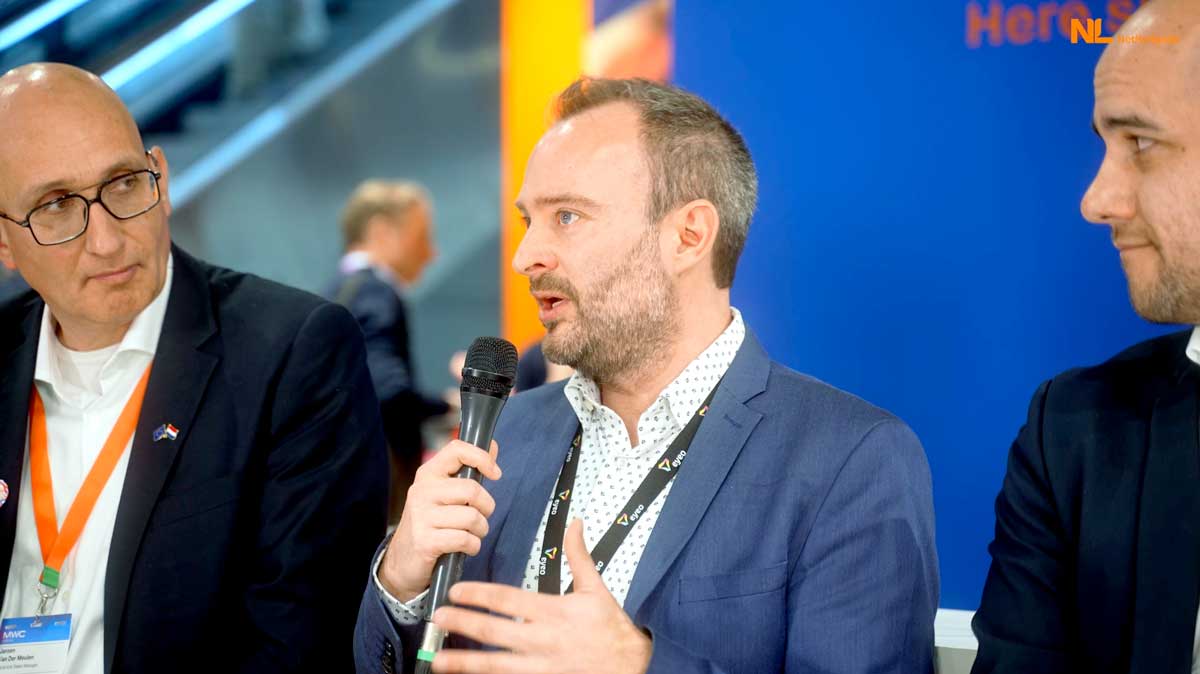
Yet, as highlighted by Jeroen Hoet, CEO at Eyeo, the challenge is not invention, it is scaling.
European companies compete with global leaders such as Sony, Samsung and Nvidia, but face structural barriers when trying to grow internationally. According to Hoet, Europe has the talent, capital and ideas, but struggles with fragmentation and complexity across borders.
The Key takeaway: Europe excels at innovation, but scaling remains the bottleneck.
Deep tech scaling is slower and riskier
Unlike software, deep tech and semiconductor innovation require years of development and significant upfront investment.
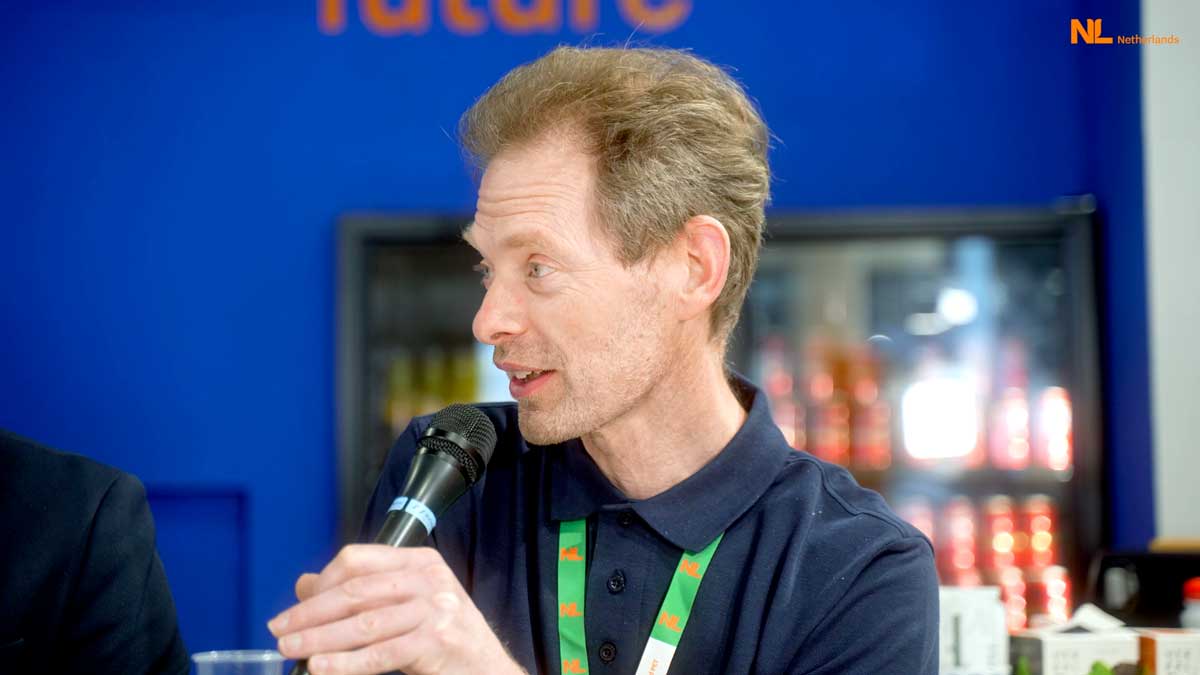
Mark Smorenburg, Product Manager at Qualinx, highlighted that investors are often hesitant due to long timelines and uncertain returns. At the same time, customers are reluctant to adopt new technologies without proven track records.
This creates a classic “chicken-and-egg” problem:
- Customers want validation before adoption
- Companies need adoption to prove validation
Panelists suggested that governments could play a critical role by acting as launching customers, using procurement to support early-stage technologies.
The key takeaway: Without early adoption support, deep tech struggles to reach market maturity.
Building a complete and resilient deep tech stack
Another key theme was supply chain dependency.
While Europe excels in chip design and semiconductor equipment, gaps remain in manufacturing and materials.
Van der Meulen highlighted critical dependencies:
“Some essential materials are only produced outside Europe. If supply chains are disrupted, we have a real problem.”
Vieville added that Europe lacks sufficient advanced chip manufacturing capacity:
“We have world-class technology and design capabilities—but we still depend on production outside Europe. That’s a critical gap.”
Key takeaway: Digital sovereignty requires a fully integrated European supply chain.
Fragmentation is Europe’s biggest competitive disadvantage
Despite strong capabilities, Europe’s internal fragmentation continues to slow progress.
A recurring theme throughout the discussion was the need to move beyond national thinking.
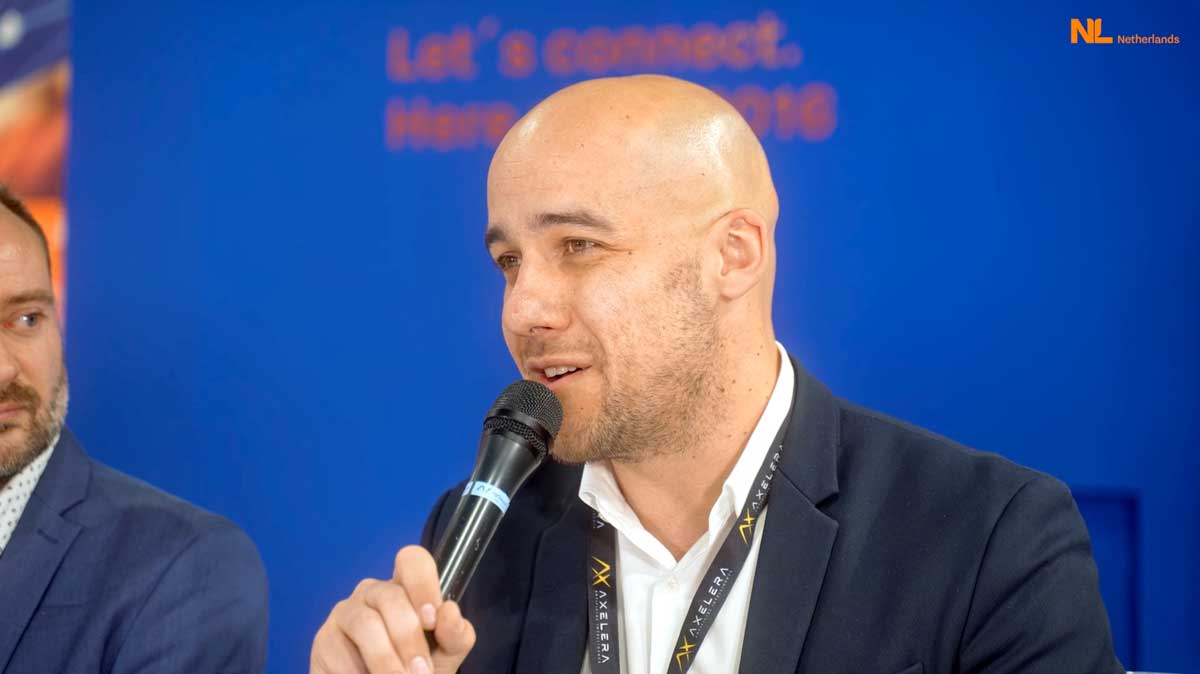
Jean Vieville, Director of Channel & OEM Sales at Axelera AI stressed that competing with global players requires a unified European approach, not fragmented national strategies.
Similarly, Hoet pointed out that cross-border collaboration, whether in hiring talent, accessing capital or scaling operations, is still unnecessarily complex.
Key takeaway: Europe cannot compete globally as 27 separate markets, it must act as one.
The missing link: a complete and resilient supply chain
While Europe has strong capabilities in semiconductor design and equipment, gaps remain in the manufacturing layer of the stack.
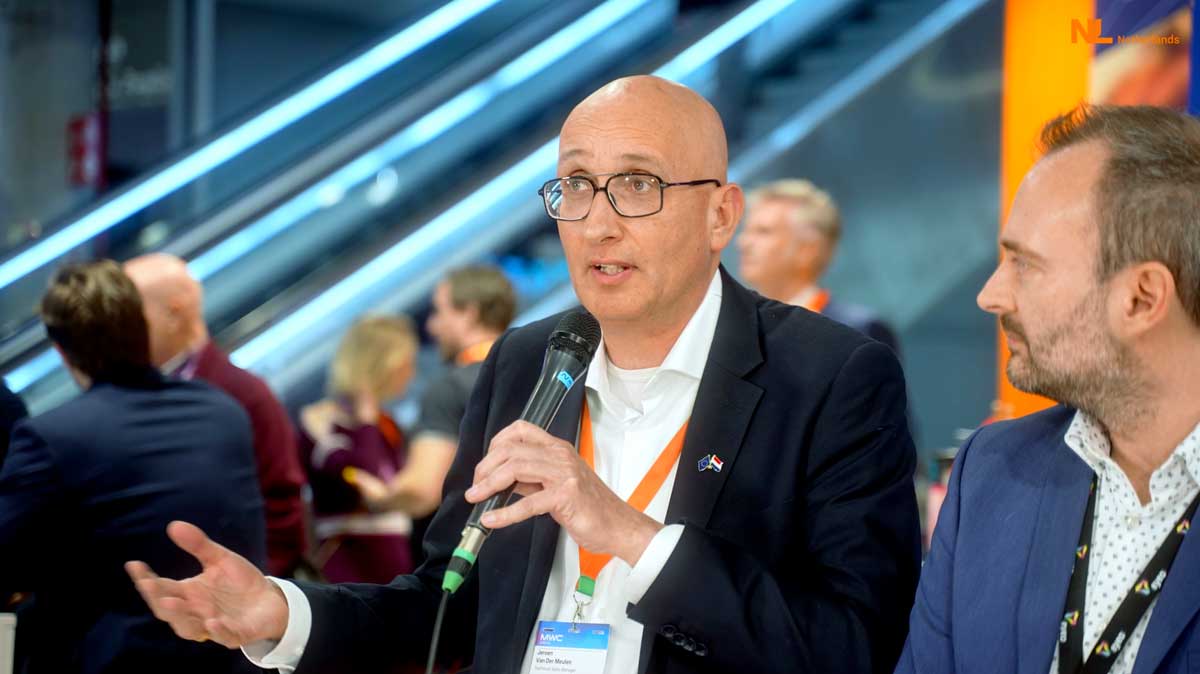
Panelists, including Jeroen van der Meulen, Technical Sales Manager at Semiblocks, highlighted dependencies on non-European suppliers for critical components, materials and chip production.
This creates risks in times of geopolitical tension and limits Europe’s ability to scale independently.
Key challenges include:
- Limited access to advanced chip manufacturing (foundries)
- Dependency on materials produced outside Europe
- Regulatory barriers to local production
- Keeping ownership of critical companies European
Key takeaway: Digital autonomy requires a fully integrated and resilient supply chain.
Funding, talent and reinvestment: unlocking the flywheel
Beyond infrastructure, panelists emphasised the need to strengthen Europe’s innovation flywheel.
Hoet pointed to a structural difference with the US:
“In the US, successful entrepreneurs reinvest into the ecosystem, creating a flywheel. In Europe, we often focus more on taxing than reinvesting.”
At the same time, access to talent remains unnecessarily complex due to fragmented regulations across countries.
Key takeaway: Europe must enable capital, talent and knowledge to circulate more freely.
Policy, funding and ecosystem need alignment
Speakers agreed that Europe does not lack resources, but struggles with alignment and execution.
Key areas for improvement include:
- Simplifying regulations across borders
- Creating a unified European investment and IPO environment
- Encouraging reinvestment of capital into the ecosystem
- Making funding mechanisms more accessible and less complex
- Creating our own mining of critical resources by becoming the best in recycling them
- Aligning the strength of Europe’s democratic and sustainable thinking
Panelists also pointed to the need for clearer, long-term policy frameworks that support deep tech growth rather than hinder it.
Key takeaway: The issue is not capability, it is coordination.
From innovation to impact: what needs to happen next
To turn European IP into global impact, the panel identified several critical actions:
- Stimulate early adoption through government procurement
- Simplify cross-border collaboration for talent and companies
- Strengthen Europe’s manufacturing capabilities
- Enable reinvestment into the ecosystem to create a growth flywheel
- Build a unified European strategy for deep tech
At its core, the challenge is not technological, it is structural.
A defining opportunity for Europe
The panel closed with a clear message: Europe’s deep tech stack already exists.
The opportunity now is to connect, scale and deploy it globally.
- The risk: continued fragmentation leading to lost competitiveness
- The opportunity: positioning Europe as a global leader in deep tech innovation
Echoing the panel’s conclusion, Mark Smorenburg summed it up in two words: ‘One Europe.’”
Final thought
As demonstrated at MWC Barcelona 2026, Europe has all the ingredients to lead in deep tech, from talent and innovation to industrial capability.
What’s needed now is alignment, simplification and bold execution.
Only then can Europe truly transform its IP into global impact.