
At the Netherlands Pavilion during MWC Barcelona 2026, industry leaders came together to answer a critical question shaping Europe’s future: where does Europe really stand on digital autonomy and what must happen next?
In a packed session titled “European Digital Autonomy: beyond slogans, where do we stand?” Moderated by Anke Kuipers from Ecosystem Services, experts from across the telecom ecosystem shared practical insights on Europe’s digital infrastructure, investment climate and strategic independence.
Europe is progressing but not fast enough
According to Marga Buijs, CEO at Cellnex Netherlands, Europe is already shifting towards a more pan-European investment strategy. Infrastructure players are increasingly making decisions beyond national borders, reflecting a more unified market approach.
At the same time, she highlighted a major bottleneck: fragmentation in regulation and spectrum policy.
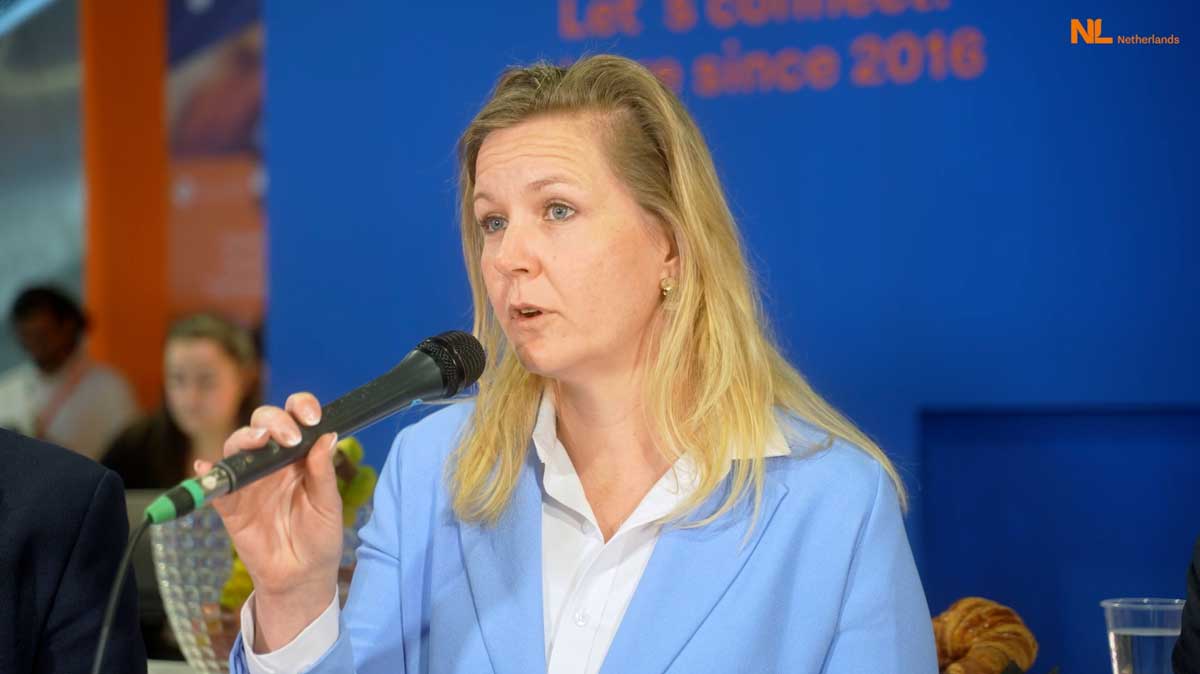
With more than 500 spectrum licences expected to be auctioned across Europe in the coming years, the stakes are high. If costs remain too high, operators will have less room to invest in critical infrastructure such as 5G and future 6G networks.
The key takeaway: Europe has momentum, but inconsistent policies risk slowing progress.
Building Europe’s own technology capabilities
From an innovation perspective, Paul Wijngaard, Alliance Director at 6G FNS, pointed to strong developments in next-generation telecom technologies, including:
- Advanced antenna systems
- Integrated sensing and communication
- AI-driven network intelligence
Through collaboration between industry and research, Europe is actively building homegrown expertise, patents and scalable technologies.
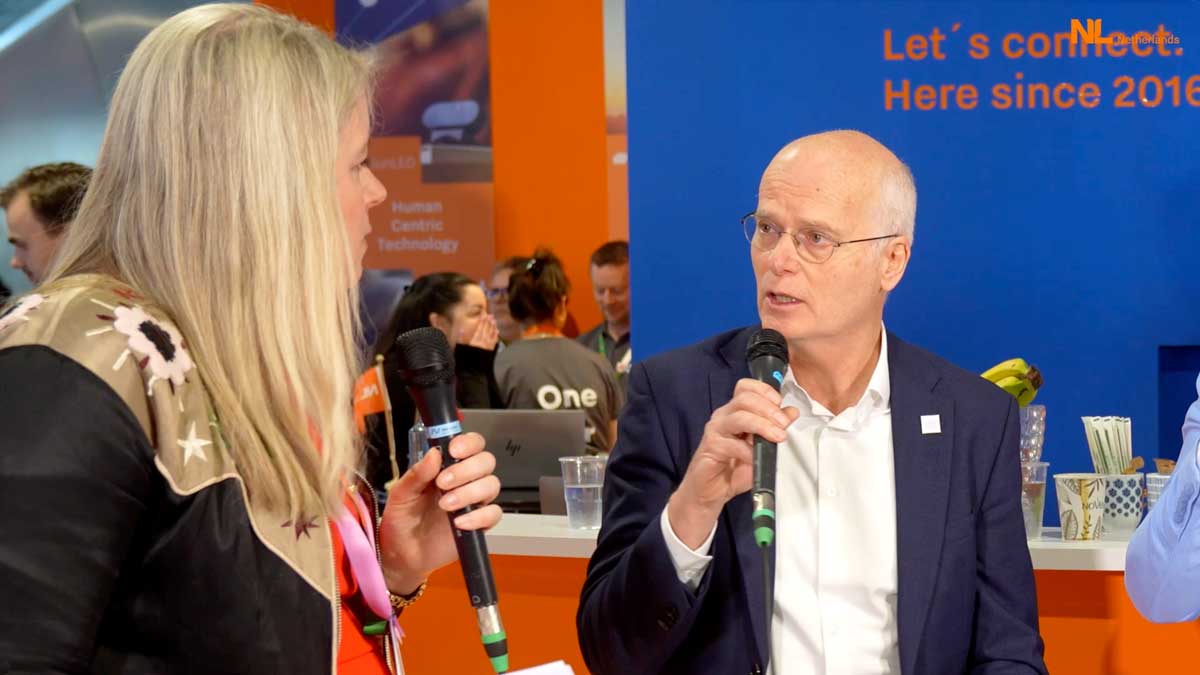
However, Wijngaard stressed that digital autonomy is not just a political ambition, it is essential for long-term economic growth and competitiveness.
The Key takeaway: Europe is innovating, but must accelerate scaling and deployment.
Telecom as Europe’s strategic advantage
Mathieu Andriessen, Managing Director at NLconnect, emphasised that Europe already has a strong position in connectivity, making telecom one of the continent’s most strategic assets.
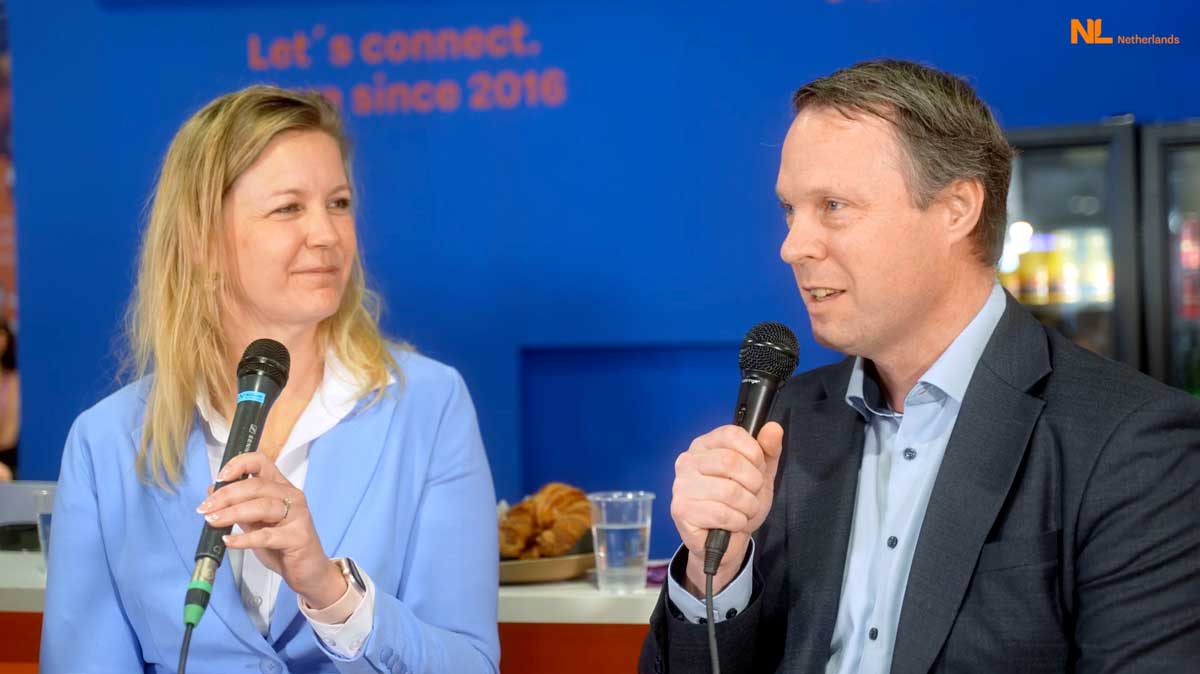
Compared to weaker positions in cloud and digital platforms, Europe’s telecom infrastructure provides a solid foundation for digital sovereignty.
He also pointed to new opportunities for operators to expand into adjacent areas, such as cloud services, through partnerships with European providers.
The Key takeaway: Telecom is one of Europe’s strongest layers, now it must be leveraged further.
The real challenge: investment and regulation
A consistent theme throughout the panel was the need for a better investment climate.
Speakers highlighted several critical issues:
- High spectrum costs limiting infrastructure investment
- Regulatory uncertainty increasing risk for investors
- Investor opportunities are understimulated
- Barriers to network deployment, such as site acquisition
Andriessen noted that operators have too often been treated as revenue sources rather than strategic enablers, which undermines long-term investment capacity.
Buijs added that predictability in regulation and policy alignment across Europe is essential to unlock large-scale capital investment.
Key takeaway: Without the right policy environment, digital autonomy will remain out of reach.
From strategy to execution: Europe’s next step
While Europe has no shortage of reports, strategies and vision documents, the panel made one thing clear: execution is now the priority.
Wijngaard called for:
- Stronger industry collaboration
- Alignment across European programmes
- Long-term policy frameworks
He also emphasised the importance of open standards and avoiding vendor lock-in, ensuring a competitive and innovative ecosystem.
At the same time, speakers agreed that digital autonomy does not mean isolation. A balanced approach, supporting European industry while maintaining global partnerships, is key.
The Key takeaway: Europe doesn’t need more plans, it needs action.
A defining moment for Europe’s digital future
The panel concluded with a clear message: Europe stands at a crossroads.
- The risk: growing dependency on non-European technologies across the digital stack
- The opportunity: becoming a resilient, investable and globally competitive digital ecosystem
If Europe gets it right, it can secure its position as a leader in digital infrastructure and innovation. If not, it risks missing a critical window of opportunity.
Final thought
As highlighted at MWC Barcelona 2026, European digital autonomy is no longer a vision, it is a necessity.
The foundations are in place. The expertise exists.
Now, the focus must shift to execution, alignment and investment.